
Developing and promoting
climate-friendly architecture
since 1999
Our vision is to transform the global built environment within a generation, from a climate-polluter to a carbon absorbing climate healer by making it easier for everyone in the design and construction industry to make climate-friendly choices.
New and recent projects
Video – storytelling – is how we learn
 We’re working with some of the best videographers around to turn the best of climate-friendly design into short, accessible videos and teaching decks. Subjects like low-carbon concrete, mass timber, and the many natural materials available everywhere that hold so much promise for a thriving world. Don’t just be less bad; build beyond zero by building to absorb carbon!
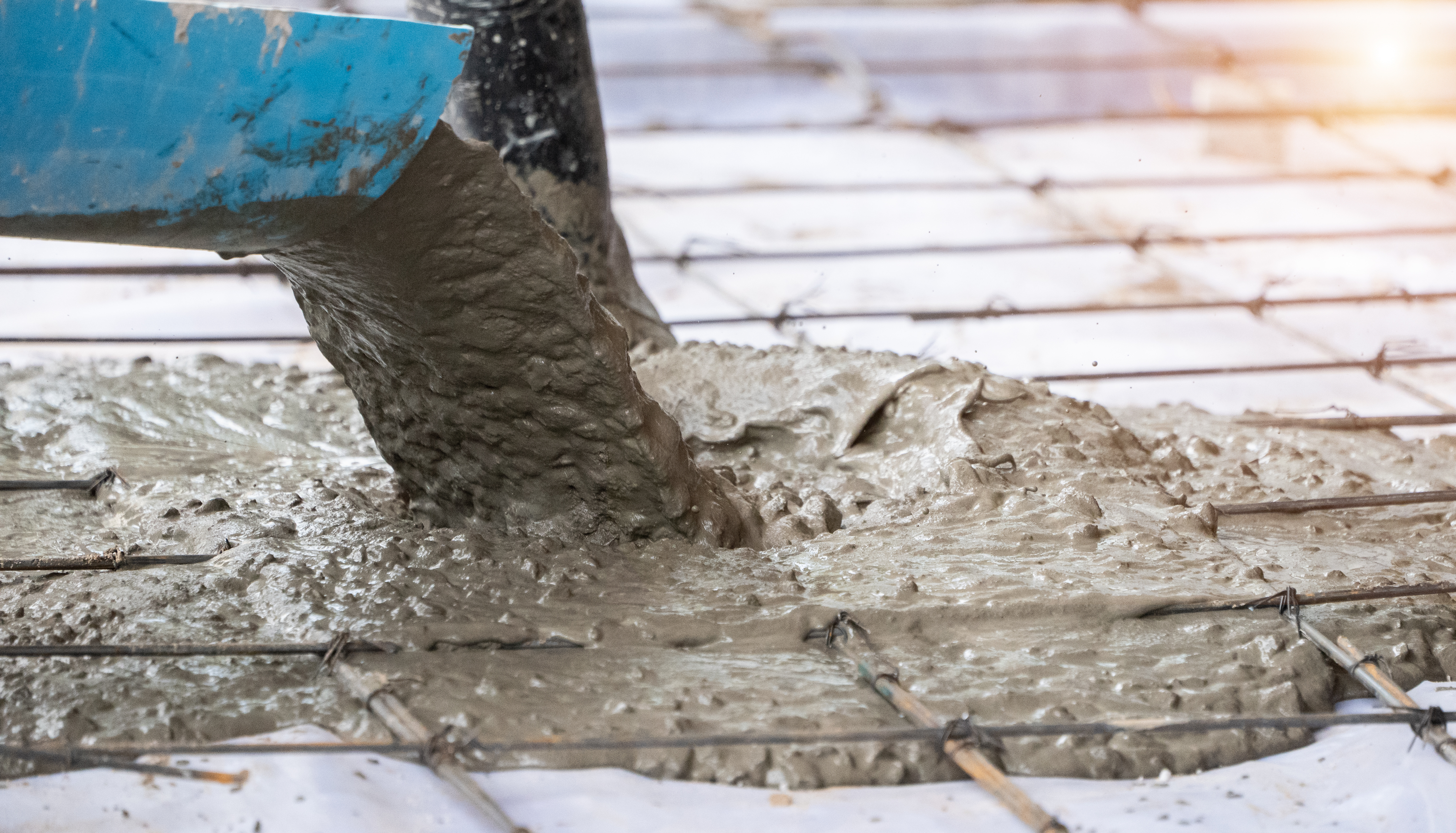
The world’s first low-carbon concrete building code
Winner of Engineering News-Record’s Top 25 Newsmakers of 2019. As hoped, that effort has prompted similar efforts around the world.
Origins and Stories of Embodied Carbon Work in Buildings
A zoom conversation with Ed Mazria, Kate Simonen, Pliny Fisk, Ann Edminster and Bruce King as they discuss embodied carbon in buildings as a huge driver of climate change. This video is about 1.5 hours long and covers a lot of ground! Recorded November 16, 2020.
Every picture tells a story… hover on an image to learn something new,
or make you wonder
“Green” doesn’t mean funky. Some of the coolest materials, such as recycled tile in a high-end home, are simple, non-toxic and often inexpensive.
Spanish colonial architecture lives on after hundreds of years in old Havana, illustrating an important principle of sustainable building: whether well-built or not, loved buildings endure, unloved buildings do not.
Stone and unrefined clay masonry are the oldest and most popular ways of building in much of the world. This is a 2100 year old Roman wall in Algeria. Only in the past few decades have we figured out how to also make them earthquake-safe. EBNet wrote the governing standard ASTM E-2392
When building officials kept asking if straw bale walls were fire resistant, EBNet conducted the tests to find out. they are.
Eye-catching sculptues of steel and glass get publicity and win awards. Bue are they good buildings: They stimulate and dazzle, but often leak. We don’t mean to single out Frank Gehry, the architect of this structure, nor even the entire class of “starchitects” who dominate the public’s attention. The problem is us when we favor glamor over human and climate-friendly design.
Passive solar design is not that difficult, and gives back forever to the building’s owners, occupants, and community. This is the Real Goods Solar Living Center in Hopland CA – an early solar project using straw bales, fly ash concrete, and FSC- certified wood that keeps itself cool in summer and warm in winter.
The Pantheon in Rome, and dozens of other Roman structures, lasted very well for 2000 years, but modern concrete structures won’t generally last for more than 100 years. Have we forgotten something?
Bad masonry construction all over the world bakes people in summer, freezes them in winter, and kills them outright in earthquakes. We can bake block construction less expensive, more thermally comfortable, and safer.
Modern chemistry allows us to build with all sorts of polymers, such as this iconic wall of the Olympic Swim Center in Bejing. But we are only beginning to understand the effects of those plastics and chemicals – on the environment, during their manufacture, and on our bodies – when we make, build and live with them.
This is the columbage style of architecture in Haiti, which occurs in various forms all over the world. Braced with timber frames, with masonry infill, they look terrible to structural engineers, but consistently perform surprisingly well in earthquakes
Sustainable and resilient design and materials made all the difference for this straw bale home. Design features include metal roof, clay plaster walls, defensible space and other details. Photo: David Arkin
Our buildings can become carbon absorbers, helping to heal the planet by using materials such as straw bales. These buildings not only sequester carbon, but their superior thermal performance saves energy by requiring very little in terms of heating and cooling